The Evolution of Smart Homes for Seamless Living
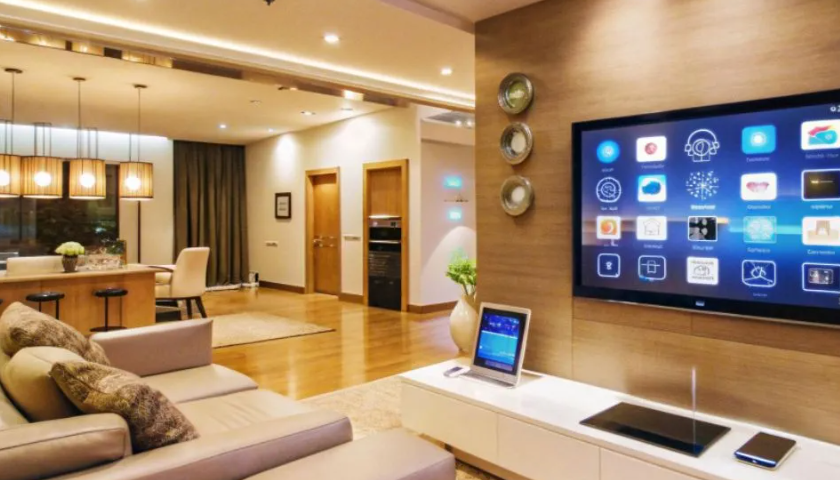
The evolution of smart homes marks a significant shift in domestic life. Early automation tools like programmable thermostats laid the groundwork for today’s innovations. As technology progressed, features such as voice assistants and energy management systems emerged, enhancing convenience and efficiency. This shift not only promotes sustainability but also transforms how residents interact with their living spaces. The implications of these advancements raise intriguing questions about the future of connected living environments and their impact on daily life.
The Early Days of Home Automation
In the early days of home automation, technological advancements began to reshape the landscape of domestic living.
Pioneering innovations in early technology, such as programmable thermostats and simple remote controls, marked the initial steps toward creating more efficient, comfortable homes.
These early developments laid the foundation for a future where homeowners could embrace convenience, enhancing their freedom to manage daily tasks with greater ease and control.
See also: The Evolution of Online Privacy Laws
Key Innovations Shaping Smart Homes
As technology continues to advance, several key innovations are significantly transforming the concept of smart homes.
Voice assistants are streamlining daily tasks, offering users hands-free control over their environments.
Additionally, energy management systems are optimizing power consumption, promoting sustainability and cost savings.
Together, these innovations empower homeowners with enhanced convenience and control, fostering a lifestyle that embodies freedom and efficiency in modern living spaces.
The Future of Connected Living Spaces
While the landscape of connected living spaces evolves, emerging technologies promise to redefine how individuals interact with their homes.
The integration of sustainable technology enhances user experience, fostering environments that prioritize energy efficiency and comfort.
As smart homes become increasingly intuitive, residents will enjoy greater autonomy, making personalized adjustments seamlessly.
This shift heralds a future where connectivity transforms living into an empowering, harmonious experience.
Conclusion
In the tapestry of modern living, smart homes weave a vibrant narrative of innovation and convenience. As technologies evolve, they paint a future where living spaces pulse with intelligence, adapting to the rhythms of daily life. The journey from rudimentary automation to sophisticated ecosystems mirrors the growth of human connectivity, crafting environments that not only respond but anticipate needs. Ultimately, these digital sanctuaries redefine the essence of home, transforming mundane routines into a harmonious symphony of efficiency and comfort.